In a world obsessed and focused on projecting fashion and charisma with stylish, clothes, trendy accessories, and surgical procedures, people are ignoring their actual source of their charisma. The truth is a person’s charisma and fashion is more based on maintaining one’s health (physical and mental) fitness than solely on one’s wardrobe— even those of us that are over the age of 60.
Ultimately, a person’s charisma is accented more from investing in our health and fitness routine than attractive stylish fashions. True charisma isn’t worn—it’s achieved through focusing on our health and fitness. Prioritizing health, fitness and nutrition, and getting adequate rest, is the best means to project charisma.
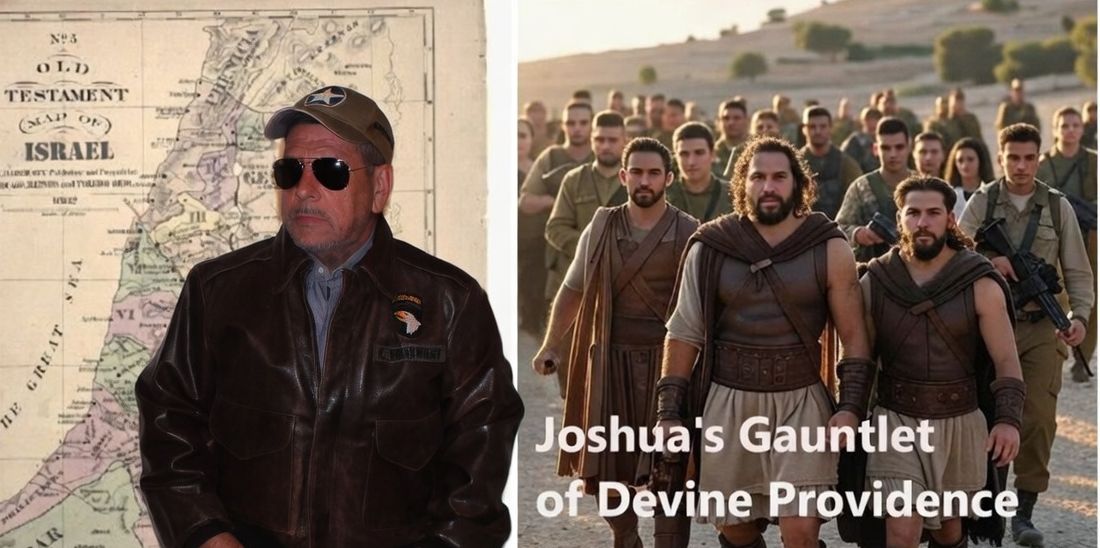
While my wardrobe is very basic based on blue jeans and chino khakis, my charisma is acculturated based on my health and fitness, even at age 68. At the end of this article, I have attached a video of my BAJA Fitness routine and my Catabolic Diet that provides me an age-defying lifestyle. The featured photograph, above, was taken at a book signing I had for my book Joshua Gauntlet of Divine Providence in October 2025. I am 68 years old. I credit my BAJA Fitness and Catabolic Diet for my age-defying health.
Your best Fashion Statement is Your Health and Fitness
This charisma look isn’t just due to the attire alone but is a major component of age-defying health and fitness that we all would like to achieve and project. A well-cut jacket offers a better look on a person that is accented with a tailored waistline. Fitness extends far beyond mere health metrics from annual physicals. Fitness accentuates fashion based on a fitness, nutrition that creates the foundation for fashion that provides confidence.
This was a major feature that actors and actresses are all too aware of like Harrison Ford in Indiana Jones or Tom Cruise in both TOP GUN (1986) in TOP GUN: Maverick (2021). In Tom Cruise case, it was proven more in in the beach scene playing dog-fighting football. If you can do an abdominal shot in a movie over the age of 60 is impressive.
Like in TOP GUN: Maverick the attention was the health and fitness of 63 year old Tom Cruise. Health and fitness was also a major component in promoting or sponsoring merchandise like Sydney Sweeney did in molding for American Eagle blue jeans that grabbed the attention of the country and was part of a national discussion or debate of jeans vs. genes. The fact of the matter, the effectiveness of American Eagle ad camping wasn’t just due to their jeans, but due to Sydney Sweeney’s physique and her lines!
The Importance of Classic Nostalgic Fashion
Below, are a pair of my 505 Levis Jeans that I still wear today at age 68 where I have the same waistline of 29.50- inches that I had in high school. Having the same waistline besides being healthy it is also economical. The downside with blue jeans is once you got them broken in they start showing wear and tear.

Levis blue jeans were manufactured over 150 years ago (May 20, 1873) by Levi Strauss and Jacob Davis. While blue jeans aren’t the oldest article of wardrobe, blue jeans still hold a solid choice for causal and business wear, this is true in my case. But Chino Khakis pants, my second choice, holds a major part in global wardrobe since 1848 as a fact of survival by British soldiers. Below is a brief history of two pieces of wardrobe that are nostalgic and classics.
Brief History of the Popularity of Chino Khakis over the Centuries
The Chino khaki pants stand out as one of more fashionable enduring apparel items since the 1840’s—a garment not developed on designer’s tables but in the battlefield. Chino Khakis were developed out of necessity under battlefield conditions for survival.
Khakis name based on color trace directly to British soldiers in 19th-century in India that met linguistic adaptation and for survival in a way that would reshape the global military into modern times. Chino khakis were mainly for pure survival that reshaped military uniform standards in modern times. Chino Khakis over the decades also became a major part of civilian fashion for generations.
The Origin of the Term Chino
Later, American troops during the Spanish-American War would christen the fabric “chino,” cementing its place in history and in the fashion world. Paired with the iconic A-2 leather flight jacket during World War II that the U.S. Army Corps adopted in May of 1931. This Chino Khakis trousers and A-2 Leather Flight Jacket ensemble found cinematic immortality with Harrison Ford’s portrayal of Indiana Jones in Raiders of the Lost Ark, which was released on June 12, 1981.
Just a bit of trivia in the casting for Indiana Jones in Raiders of the Lost Ark. George Lucas originally wanted to cast Tom Selleck as Indiana Jones, but CBS would not release him from his role in Magnum PI Television series in 1981. Below, I am wearing the combination of Levis with the A-2 Leather Flight Jacket in our hangar.

Today, the combination of Chino Khakis and A-2 Leather Flight Jacket that I am wearing in the feature image was at one of my books signings for Joshua’s Gauntlet of Divine Providence, evokes the swashbuckling charisma look of World War II. The Chino Khakis that were worn by aviators climbing up and out of their cockpits from their missions became the image of World War II aviation and Indiana Jones. Some of the most famous photographs were taken of the the Red Tails and Flying Tigers in Burma flying their P-40 Warhawk.
Another form of the A-2 Jacket is the G-1 Leather Flight Jacket worn by Marines and Navy Aviators with the same Chino Khakis. The G-1 appeared in the blockbuster movie released in May of 1986 featuring Tom Cruise and Val Kimer flying the Grumman F-14 Tomcat in TOP GUN. Whether on the tarmac, riding his motorcycle, Tom Cruise wore his G-1 Leather Flight Jacket.
The History behind the Chino Khakis Color
The story of color khaki begins in the dusty northwest frontier of British India in 1843. British officers of the Corps of Guides, a mixed regiment of Indian and British troops led by Sir Harry Lumsden and William Hodson near Peshawar (present-day Pakistan), faced with a tactical problem of survival wearing white trousers that had been worn going back before the American Revolutionary War. Their bright white cotton uniforms with white trousers made them easy targets amid the arid, earth-toned terrain during skirmishes with local tribesmen. To blend better with their surroundings, soldiers experimented with local dyes to provide some form of camouflage and concealment.
They dunked their garments in riverbank mud, steeped them in tea leaves, or mixed them in coffee, tobacco juice, mulberry, or even curry powder, whatever produced a light brown, soil-like color. The tea proved to have provided an effective form of camouflaging for turning stark white trousers into a dusty shade without damaging the fabric.
This improvised of camouflaging became the first widespread military camouflage concealment for field soldiers. The color earned the name “khaki,” derived from the Hindi word khāk, meaning “dust” or “earth colored.” By 1848, the Corps of Guides issued the first official khaki uniforms to their ground soldiers. The innovation spread rapidly during the Indian Mutiny of 1857 and was formalized across the British Indian Army by the 1860s.
A synthetic dye patented later ensured consistency, but the original tea-and-mud method symbolized ingenuity under pressure of survival became popular and fashionable. Khaki revolutionized warfare and phased out pomp white trousers, influencing every other major army by the late 19th century. It was lightweight, breathable in tropical heat, and resilient to the dirt of campaign life—qualities that made it indispensable. The khaki color also had another benefit that allows soldiers to not have to constantly wash their pants for standing daily inspection.
This military khaki trousers crossed the Atlantic during the Spanish-American War of 1898, acquiring its civilian alias the name these trousers chinos. U.S. soldiers deployed to the Philippines and Cuba adopted lightweight khaki uniforms for comfort in humid climates. The durable cotton twill fabric—often sourced due to affordably from the cotton mills in China to cut transport costs and meet wartime demands. The chino fabric was comfortable, wrinkle-resistant, and ideal for tropical service that would be proven during World War II in the Pacific.
Spanish-speaking locals and Filipino forces referred to the trousers as chinos, or “Chinese pants,” highlighting their origin. American troops embraced the nickname, and veterans returning home continued wearing the Chino khakis pants stateside in civilian life. Post-war, manufacturers like the California-based Cone Mills produced the fabric domestically using the same Chino fabric.
By the early 20th century, Chino Khakis had migrated from military surplus stores to college campuses and everyday wear, evolving into the relaxed-yet-polished staple look we know today. The term “chino” thus honors not just the fabric but was also synonymous with the color of the pants that became a global fashion standard for civilian and military wear. Chino khakis that transformed battlefield attire were now worldwide fashion rage.
The Iconic A-2 Leather Flight Jacket
Aviators and pilots accented their Chino Khakis with the A-2 leather flight jacket, a garment that embodies the swashbucklers look of the skies. On May 9, 1931, the U.S. Army Air Corps officially adopted the Type A-2 as standard issue under specification 94-3040. Designed to replace the less durable buttoned up A-1, the A-2 featured front zipper seal-brown horsehide leather, goatskin, or sheepskin with a cotton lining. The knitted wool cuffs and waistband, snap-flap patch pockets, epaulettes, and a shirt-style collar with a throat latch for health became standard.
It was windproof, warm enough for even an open cockpit flight under 6,000 feet, and rugged enough for combat. The A-2 was also issued to the newly formed Airborne units during World War II. The A-2 Leather Flight Jacket was issued to aviators, pilots, air crews, and paratroopers after basic training as part of their official uniform.
The Uniform of the Modern-day Swashbuckler
Aviators became the modern-day swashbucklers of the skies who dueled in the clouds over Europe and the Pacific—personalized their jackets with squadron patches, kill markings, and names, turning functional gear into talismans of courage. The jacket’s charismatic look had that swagger. The A-2 and the G-1 Leather Flight Jackets protected both men and women that flew aircraft into both theaters of war that fearlessly served that turned the tide of war.
This aviator’s leather flight jacket became part of popular culture when Harrison Ford featured a version of the modified A-2 Leather Flight Jacket. Harrison Ford wore a version of the A-2 with modifications with the classic Chino Khakis shirt and pants, with that weathered Stetson fedora. This wardrobe became the image of Indiana Jones in George Lucas and Steven Spielberg’s movie Raiders of the Lost Ark.
This movie premiered on June 12, 1981, the film became an instant blockbuster that captivated audiences with Indy’s globe-trotting adventures and expeditions. Costume designer Deborah Nadoolman Landis based the look on 1930s military surplus gear, but tweaking the A-2 by removing cuffs and waistband for greater mobility, adding side pleats, and shortening the hem to accommodate the bullwhip and holster.
Indiana Jones Character was enhanced by the Greatest Generation
Ford’s portrayal fused the rugged of WWII pilots with the fedora-clad explorer archetype. The leather jacket evoked the daring exploits of aviators who were part of the Greatest Generation era’s ultimate adventurers. Chino Khakis finished the look, while the fedora added 1940 era style when hats were popular. The ensemble became an instant classic, inspiring generations to embrace Indy character and his adventures. It hearkens directly to those wartime flyers and paratroopers, proving that military innovation that can define cinematic heroic look and feel, two essentials of any movie.
In real life, the Indiana Jones uniform translates seamlessly into modern casual or business wear that I prefer to wear instead of either my blazers or sports jackets that need dry cleaning. Chino Khaki’s can be paired with almost anything, especially the button-down Oxford shirts, polo, or tees offers a carefree wrinkle resistance look and comfort for travel, meetings, or weekends adventures. The more you wear the A-2 or G-1 Leather Flight Jacket, even stuffed into duffel bags or luggage, the more patina look and feel it has.
The A-2 or the G-1 is my prefer jacket for travel, book signings, and meetings that I attend and can attract attention. No elaborate accessories are needed; with a simple belt, watch, and engineer boots is all one needs to complete the classic nostalgic charisma look. Due to my active lifestyle, I have traded in and mothballed my blazers and sports jackets for my A-2 or G-1 Leather Flight Jackets. I enjoy wearing the A-2 or G-1 Leather Flight Jackets that offers me comfortability. The plus is that both are carefree for business trips and casual wear, especially attending book signings and airshows.

I even wear my A-2 Leather Flight Jacket riding my INDIAN Scout Bobber 60 Motorcycle to and from our hangar; that is that durable. The jacket’s weight and patina remind me of the aviators who wore their flight jackets as reliable companions that have that rugged protective look.
How at Age 68, I have Achieved Age-Defying Health and Fitness is Possible
As seen in the featured photograph above at a book signing, I am 68 years old that I contribute to my healthy diet and fitness program, I have attached a 10-minute video, below, of my BAJA Fitness routine that shows each element of my workout program. If you want to develop an effective and successful workout perform use elements based on sets and reps with under and over approach:
The featured photograph above shows how I enjoy the classic style of Chino Khakis, button-down Oxford shirt, A-2 or G-1 Leather Jacket that is accentuated by my diet and fitness. The backdrop is an enlargement of my book on the history of Israel from Joshua, through the Crusades, to Midnight Hammer. As much as I enjoy the classic fashion of my A-2 Leather Flight Jacket and Chino Khakis, I enjoy writing about history and stories from both the Old and New Testaments.
I am working on my new book entitled: The WORK of FORGING OUR FAITH due out on Kindle in mid-May 2026.

The success of the Ironclad- Fitness & Catabolic Diet Program
Paired with the healthy diet and of regular fitness, it offers every person a confident look and feel that is timeless, versatile, and charismatic.
Above is my Ironclad- Fitness & Catabolic Diet Program that I developed in October of 2014 before I retired to maintain my health and fitness even now at age 68.

The Catabolic Diet is as easy to follow and adhere to just by using 9- Data Points on a nutrition label to determine the MAC (Metabolic Analytics Coefficient) Score and eating my meals between 9 a.m. and 6 p.m.
This diet will turn your body into a turbocharged-calorie-burning juggernaut engine to drop weight, inches, and years off. The Catabolic Diet consists of high protein, fiber, Omega- 3 and 6 fatty acids and complex carbohydrates. REMEMBER: NOT ALL CALORIES nor CARBS are created equal. The MAC Score identifies foods that are high protein, fiber, Omega- 3 and 6 fatty acids and complex carbohydrates without having to look at charts where the SUGAR BUSTER DIET fell short of providing.
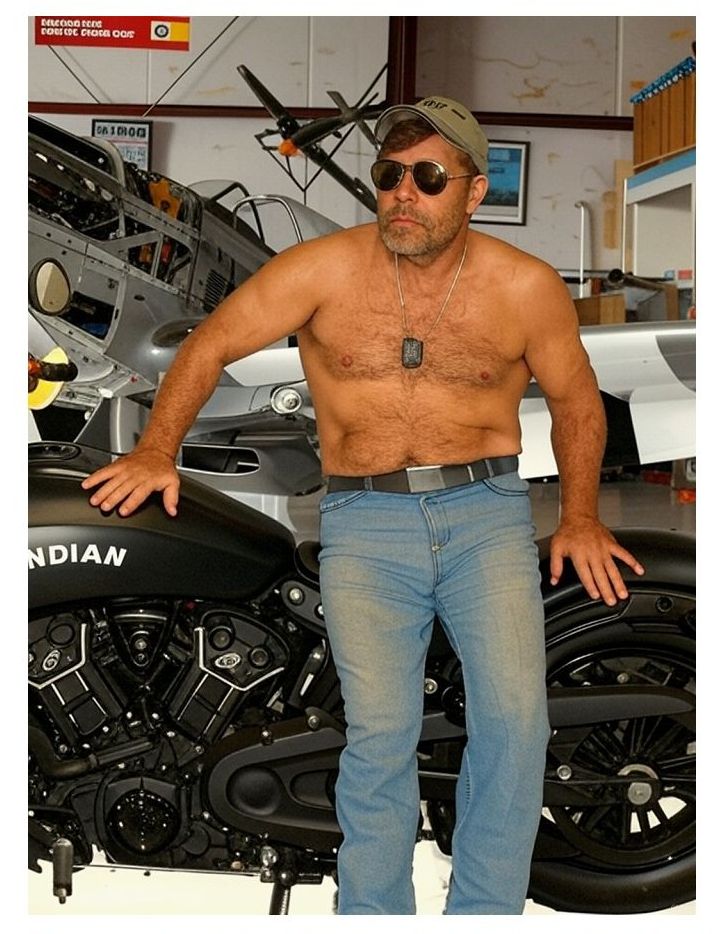
For proof of the effectiveness of the Ironclad- Fitness & Catabolic Diet Program, I had my AB Challenge taken by my camera crew that we did before attending a book signing in September of 2025 in our hangar:
For those that enjoy reading about Military Operations, I have two books on Kindle:
My Online T-Shits: