

This article is especially for those in the middle of their New Years Resolutions of effects to lose weight and get into better shape. Information and data in this article will help you achieve your objective not in months but weeks.
Do not be mislead by low calories listed on the Nutrition Label.
All calories aren’t equal
In the pursuit of weight loss and peak fitness, many of us turn to seemingly harmless low-calorie treats to satisfy cravings without derailing our efforts. However, these small indulgences—think a splash of creamer in your morning coffee or a dollop of whipped cream on fresh strawberries—can accumulate into significant setbacks. Even something as minor as 15 calories from two teaspoons of a tempting topping can sabotage your progress. The key culprit? Hidden sugars and poor nutritional profiles that turn healthy choices into diet wreckers.
Consider the MAC Score, a metric I use to evaluate foods based on their calorie density adjusted for macronutrients and overall health impact. A perfect score is 1.0, with lower numbers indicating nutrient-rich, low-impact foods that support weight loss.
I personally avoid anything over 3.50 to maintain my age-defying lifestyle. For instance, strawberries boast a commendable MAC Score of 2.647, making them an excellent fruit choice packed with vitamins, fiber, and antioxidants. They’re low in calories (about 50 per cup) and help curb hunger while providing essential nutrients like vitamin C. Below was a photograph taken of me at age 68 in our hangar in September of 2025.

But add just two teaspoons of whipped cream to the top of those healthy strawberries, and the story changes dramatically. That innocent topping, often marketed as “light” or “low-fat,” carries a MAC Score of 5.00. While it might only add 15 calories per serving of 2- teaspoons, it introduces hidden sugars that spike insulin levels and promote fat storage. What was a healthy snack suddenly becomes a calorie trap, negating the benefits of the fruit beneath. Research shows that such additions can lead to over consumption, as the creamy texture and sweetness trigger reward centers in the brain, encouraging larger portions over time.
Even coffee creamers are another stealthy saboteur
Many processed varieties promise low calories but hide sugars under names like corn syrup or dextrose. A typical two-teaspoon serving might seem benign at 30-40 calories, but the added sugars can disrupt your metabolic balance, leading to cravings and energy crashes. According to nutrition experts, these “healthy” swaps often contain artificial sweeteners or emulsifiers that don’t satisfy hunger, prompting you to eat more later.
Opting instead for black coffee or a truly zero-calorie alternative is wiser, but if you must indulge, scrutinize labels for hidden carbs or those hidden sugars.
Deciphering nutrition labels is crucial to unmask these diet busters. Look beyond the calorie count to the sugar content, serving size, and ingredient list. The FDA highlights that added sugars should be limited to less than 50 grams daily, yet many treats exceed this in small doses.
For example, some fat-free whipped toppings sound appealing at low calories, but their MAC-equivalent impact is high due to processed additives. This is why the IRONCLAD Fitness & Catabolic Diet Program has provided me with such age-defying results, as noted in the photograph of me at age 68.
Expanding on high MAC (Metabolic Analytics Catabolic) Score offenders, sour cream clocks in at 8.75, making it a nightmare for dips or toppings. Its creamy allure hides a calorie-dense profile with minimal nutritional payback—high in fats but low in protein or fiber. Cream cheese fares even worse at 10.00 for one ounce serving size; spread on a bagel, it transforms a moderate breakfast into a high-calorie bomb. It is not what we eat that are fat gainers, but what we top them with.
Other common culprits include salad dressings (often 6-8 MAC), flavored high sugar yogurts (5-7 MAC with hidden sugars), and low-cal granola bars (4-6 MAC, loaded with binders and sweeteners).
These items masquerade as diet-friendly but contribute empty calories that stall fat loss and weight gain
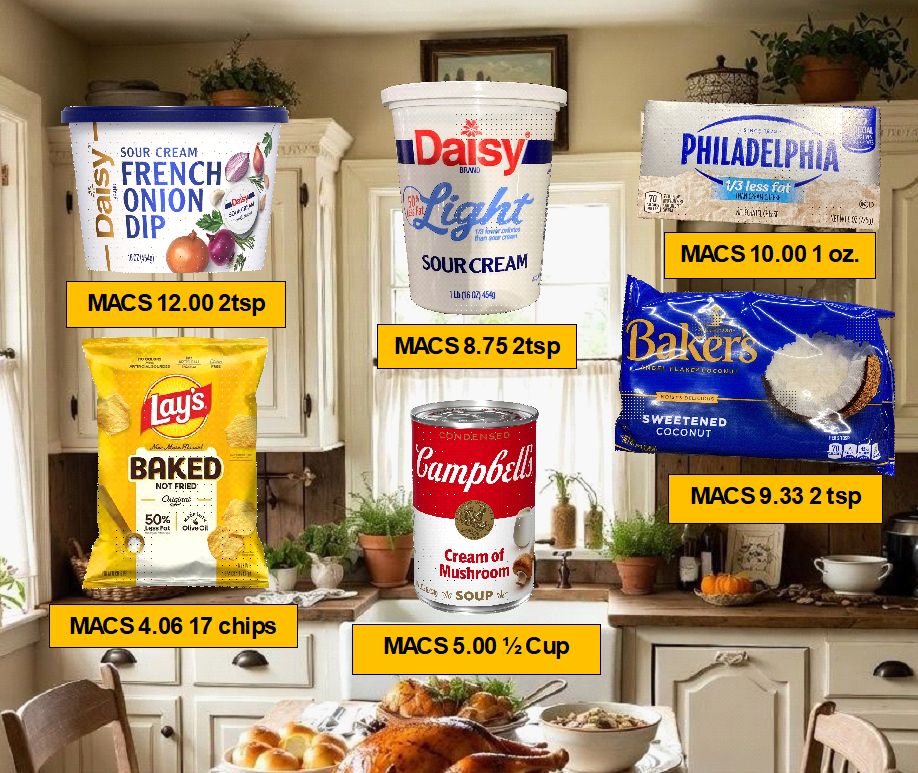
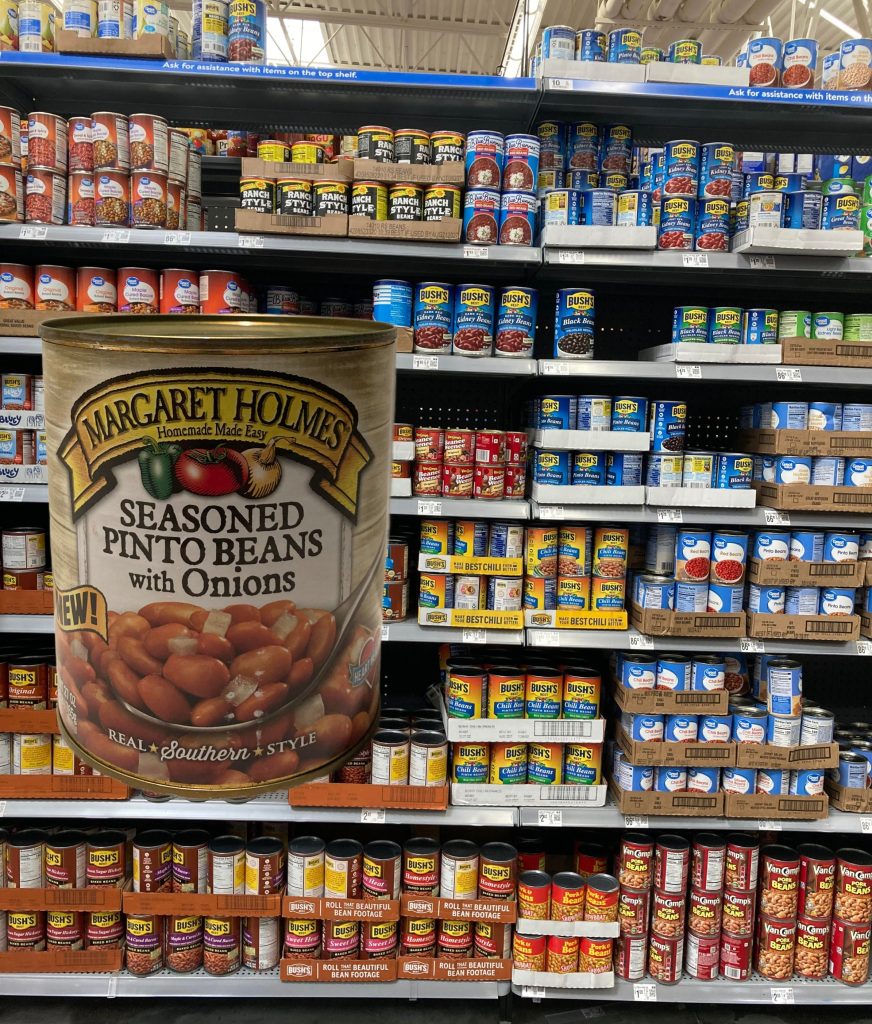
To illustrate, pinto beans, with a MAC Score of 1.97, exemplify a true diet ally—high in protein and fiber, they promote satiety without calorie overload. Contrast this with whipped cream on fruit: the combination weaponizes a healthy base, turning it into a indulgence that undermines your fitness goals.
The cumulative effects of toppings are catastrophic to our diets. Small treats add hundreds of weekly calories, disrupting your deficit needed for weight loss (typically 500 calories daily).
They also foster dependency on sweet flavors, making whole foods less appealing. My advice: Stick to whole, unprocessed options under 3.50 MAC. Track everything, even “insignificant” additions. Incorporate strength training to boost your metabolism rate, as it preserves muscle and bone density, enhancing calorie burn.
By doing your diligence and avoiding these hidden saboteurs, you’ll safeguard your efforts. Remember, true fitness comes from consistent, informed choices—not deceptive treats. Embrace an age-defying diet, and watch your waistline shrink while your energy soars.
My BAJA Fitness & Sports Page articles cover health and fitness for an age-defying lifestyle; but in addition to writing health and fitness articles, I enjoy writing about special forces operations like that of the Israel Sayeret Matkal that is one of the most elite military units in the world. They help set up Operation Midnight Hammer.
My new project in addition to The Sayeret Warriors of Rephaim is Scarlet Lace Banner 818, Operation Grim Reaper on Kindle in April of 2026.
For all my books on Kindle please use the link below please use the image below: