
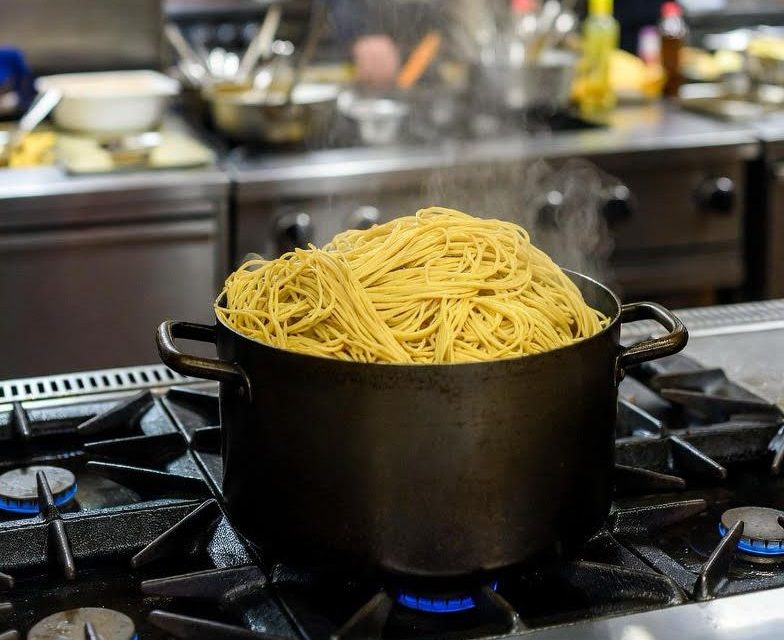
With 3,300 Americans being diagnosed with diabetes each day and obesity of Americans at 37%, we need to have all the health advantages we can use to fight these issues. Starch retrogradation, cooking and refrigerating food is a simple but effective means of lowering our risk of and managing diabetes and weight issues. This isn’t new technology or technique, but one that has been used for decades. It was brought to my attention by one of my high school buddies, Mike (Cowboy) Allen, who has type-2 Diabetes.
I was interested in starch retrogradation to help transform some of my food that I enjoy having at meals but have a high MAC Score that indicates high levels of simple carbohydrates that I classify as those pesky hidden sugars that are the main factor of our weight gain. Starch retrogradation process helps you manage your diabetes and weight on a cellular level that helps transition into simple carbohydrates to act like complex, fiber-like, carbs that are harder to process by our digestive system.
I decided to publish this article this week leading up to New Years in my BAJA SPORTS PAGE FITNESS Weekly Post. I was going to wait until after New Years to publish my article on Starch Retrogradation, but this might help those managing diabetes and/or weight management leading up to New Years and those that will make New Year’s Day Resolution. Let me point out an important fact in weight management, your diet accounts for 80% of your ability to lose weight and shed inches off your waistline.

Before you go and start sweating it out in a gym for hours over the next six weeks, consider starting with your diet first then plan on working out in a gym or at home at least 4- days per week for 25- minutes. On my Catabolic Diet, I lost 5- inches (or 42.5 pounds) during the month of December of 2014, refer to my Waistline Chart and AB Challenge below that I did at our hangar in September of 2025 at age 68:

Something else that I dropped in addition to pounds and inches was I dropped years off the appearance of my skin. I contribute this to my diet that promotes fermentation. Another component is my strength training, because when muscles are worked, they release a natural growth hormone that contains collagen that replaces cells even after our 30’s and even after our 60’s.

Cowboy has been following this starch retrogradation process that has had a huge impact on his ability to manage his diabetes while eating foods he enjoys. I like to keep up on techniques on how diabetics are dealing with their diets to help those of us that are trying to manage our weight over the long run.
The Starch Retrogradation Process is a great Method for Weight Management
When you cook simple carbs, the heat breaks down starches into a crystalline structure, making it quick to digestible, what you don’t want to control your insulin levels or to lose weight loss. Those of us trying to manage our weight want to avoid foods that are quickly digestible, that is why a high protein and fiber-type diet is desirable for us to lose weight.
The Science of Retrogradation is important to diabetics and people that are trying to lose weight. In an era where diabetes affects over 38 million people and where obesity rates in the United States is at pandemic levels, at 37 percent, down from at 42 percent before 2025. This lower percentage of obesity is due to efforts by Americans inspired by the MAHA Movement of diet, fitness, healthier lifestyle, and GLP-1 receptor agonists shots.
A Holistic Approach to Weight Management doesn’t have to take Months
Regarding weight management, I prefer the holistic approach, because all medications have some type of side effects (good and bad) to some degree. I have been following the IRONCLAD Fitness & Catabolic Diet Program since November 28th, 2014, and have had tremendous success of losing 5-inches in my waistline (or 42.3 pounds) just in five weeks, even during the month of December of 2014.
The Catabolic Diet part is based on selecting high in protein, high fiber, prebiotic (fiber), complex carbs, and Omega 3 and 6 fatty acids for weight control leading to better age-defying health and wellness. Above is my photograph taken in our hangar:
How the Cold-Retro-Starch Works with our Digestive System
The starch retrogradation storage process is innovative and yet simple strategies to control blood sugar levels and is even more valuable for helping people with managing their weight. Starch retrogradation process should be used only as a tool along with diet and fitness and not as a sole process of weight and glucose control. Starch retrogradation, like any weight management measure, should be incorporated into diet, fitness, and lifestyle components for best results.
Imagine transforming everyday staples like pasta, potatoes, and rice into allies for stable energy and better health carbs. The secret lies in a straightforward kitchen process: cooking these starchy foods, refrigerating them, and then consuming them—either cold or reheated later (after a 12- hour period). I personally avoid any food that has a Metabolic Analytics Catabolic (MAC) Score over 3.50 using just 9- data points from the standard nutrition label, shown below, largely because I have seen better results by eliminating simple cards (those dangerous hidden sugars).

The Starch retrogradation process boosts the formation of resistant starch, which behaves more like dietary fiber than a typical carbohydrates. By slowing sugar absorption, it helps mitigate blood sugar spikes, enhances insulin response, and reduces the overall glycemic impact that helps diabetics manage their sugar levels.
Starch retrogradation isn’t just folklore; it’s rooted in the scientific phenomenon which can make carbs act as prebiotics in some cases, or as a fiber. The starch retrogradation provides nourishing beneficial gut bacteria and helps sustain energy levels. For those managing type 1 or type 2 diabetes, this method offers a practical, evidence-based tool to complement medication, diet, fitness, and lifestyle changes. Starch retrogradation can potentially lower the risk of complications like neuropathy and heart disease.
The Reason behind Starch Retrogradation
Starches that are cooled after cooking like pasta and potatoes can increase their resistant starch content by up to 10-15%, depending on the variety and storage duration. This isn’t a new discovery; but nutrition that has been studied since the mid-20th century. It had just caught the interest of diabetes, like my friend Cowboy, over the past decade to provide them with more menu options. Starch retrogradation has gained traction in recent decades through clinical research like being done by Dietitian Kristine Dilley, RDN, LD, Registered Dietitian with Ohio State Wexner Medical Center who wrote her article: Cooling Pasta Changes Starch.
Starch is a primary carbohydrate-based food like potatoes, rice, and pasta, and consists of glucose chains: linear amylose and branched amylopectin. When cooked with water, starch undergoes gelatinization—granules swell, crystalline structure disruption making it a highly digestible simple carb that rapidly raises blood sugar and can be stored as fat in the body, especially around the waistline that elevate cardiovascular disease.
The start reintegration avoids carbs being absorbed as glucose in the small intestine, instead the starch retrogradation allows carbs to pass into the large intestine and the colon instead of remaining in the small intestine where it is absorbed into the body as glucose. In the large intestine and colon converted the starch into a gut bacteria ferment, a short-chain fatty acid, that benefits as a age-defying skin health. This mimics dietary RS3 fiber’s effects: promoting gut health, stabilizing blood sugar, reducing calorie absorption, and supporting weight management.
The abbreviation RS3 stands for Resistant Starch Type 3, also known as retrograded resistant starch. It is one of five main types of resistant starch (RS), which are starches that resist digestion in the small intestine and pass on to the large intestine, where they act like dietary fiber, exactly what you want.
IMPORTANT– Even if potato salad is reheated later, it can still retain much of its benefit. This simple cook-cool technique upgrades everyday carbs into functional, fiber-like nutrients. Reheating doesn’t fully reverse the effects of simple carbohydrates, while some retrograded starch may revert into a simple carbohydrate. Studies show that even after microwaving or oven reheating to safe temperatures (165°F), foods like cooked rice retain much of their lowered glycemic index. This is what people managing their diet for weight loss want.
The Benefits of behind Starch Retrogradation
The benefits for individuals with diabetes are profound and multifaceted. By increasing resistant starch intake through retrogradation, one can achieve better post-meal blood sugar control. A meta-analysis of clinical trials found that higher resistant starch consumption significantly reduces postprandial glucose excursions and insulin requirements, particularly in type 2 diabetes.
This slower sugar release mimics the effects of low-glycemic foods like fiber, preventing the roller coaster effects of highs and lows that exacerbate fatigue, mood swings, and long-term organ damage.
Beyond immediate glucose management, resistant starch fosters improved insulin response. Fermentation byproducts like SCFAs signal the pancreas and liver to enhance insulin sensitivity, potentially lowering fasting blood glucose and hemoglobin A1c levels over time.
Additionally, fiber-like behavior starch can lower the overall glycemic load of meals, making it easier to maintain stable energy without crashes. For those with prediabetes, this could delay or prevent progression to full diabetes. While benefits vary by individual factors like gut flora and diet, consistent use has shown promise in reducing risks of cardiovascular disease, a common comorbidity.
How to Guide for Starch Retrogradation
Incorporating starch retrogradation at home is simple and cost-effective, requiring no special equipment. Start by cooking your chosen starch, like whole wheat pasta would be in my case—white or brown rice, whole wheat pasta, potatoes (skin-on for extra fiber), beans, lentils, or even corn—according to standard methods, ensuring they reach at least 135°F for safety.
Portion into shallow, airtight containers to cool rapidly; aim to drop the temperature to 70°F within two hours to prevent bacterial growth, before refrigerating to a temperature of 40°F or below for 12-24 hours. Longer storage, up to a few days, enhances retrogradation without compromising taste.
When ready to eat, reheat in the microwave, stove, or oven to 165°F; the resistant starch holds up well. Beginners might experience mild bloating from increased fermentation, so introduce gradually—start with 10-15 grams of resistant starch daily. Consult a healthcare provider, especially if on medications, as this could necessitate dose adjustments.
Unlocking Weight Loss and Better Glucose Control with Starch Retrogradation
In the quest for sustainable weight loss and stable blood glucose levels, a simple kitchen technique called starch retrogradation offers powerful benefits for many people. By cooking starchy foods like rice, whole wheat pasta, and potatoes, then cooling them in the refrigerator, you trigger retrogradation—a process that transforms digestible starch into resistant starch (RS3). This resistant form acts more like dietary fiber, resisting breakdown in the small intestine and delivering fewer absorbable calories while promoting metabolic health.
Resistant starch reduces the glycemic impact of meals by slowing glucose release into the bloodstream. Studies show that cooled and reheated rice or pasta can cut post-meal blood sugar spikes significantly compared to freshly cooked versions. This stabilization helps manage insulin levels, improves sensitivity, and lowers risks for those with prediabetes or insulin resistance. This might cause some people to prefer frozen vegetables as opposed to fresh vegetables, that I prefer.
For Weight Management
For weight management, resistant starch shines through multiple mechanisms: it yields only about 2-3 calories per gram versus 4 for regular starch, directly reducing caloric intake from simple carbs. More importantly, it increases satiety—fermentation in the colon produces short-chain fatty acids that signal fullness hormones like GLP-1 and PYY, curbing appetite and overeating.
Research in overweight individuals demonstrates that higher resistant starch intake reshapes gut microbiota, boosts beneficial bacteria, and supports fat loss—even on balanced diets. One trial found 40g daily starch retrogradation led to notable weight reduction and enhanced insulin sensitivity. Additionally, the prebiotic effect reduces inflammation and supports a healthy microbiome, indirectly aiding weight control and glucose regulation.
At home, it’s effortless: cook a batch of rice, potatoes, or pasta, cool rapidly, and refrigerate for 12-24 hours at 40 degrees Fahrenheit, the longer the refrigeration the better results are. Reheat gently—the benefits largely persist. This evidence-based hack turns everyday carbs into tools for lasting weight loss and glucose stability, proving small changes yield big results.
For additional health and fitness resources to achieve MAHA, PLEASE check out my books on KINDLE in E-Book and Paperback:
The Catabolic Diet & Fitness Program to turn your body into a Calorie-Burning-Juggernaut to drop weight and inches off:
Golfers Sync-Preset Strike-Zone to hit more Fairways and Greens to lower your Score and Handicap by taking your golf swing from the batter’s box to the Tee box.
The Excalibur Athletes Forged Performance for Parents of Homeschooling Children who wants to include an Athletics into their children’s curriculum:
Joshua’s Gauntlet of Divine Providence, the history on how Israel became a country and retained its identity through exiles, wars where the people of Israel were facing unimaginable odds and won the peace:
If you are looking for the Cliffs Note version of the history of the Holy Land Joshua’s Gauntlet of Divine Providence will take you from when God called Abraham to leave current-day Iran and travel to Canaan, to Exile of Israel, to the Crusades, to the day Israel was reestablished as a state to Rising Lion and Mid Night Hammer.
The Sayeret Warriors of Rephaim: Sayeret Matkal is one of Israel’s most Elite Secret Commando Rescue, Reconnaissance, and Black Ops Units in the World like their Raid they executed on Entebbe in 1976:
OPERATION DOG TAGS: Defender’s Oasis Garrison Tactical Athletic Geared Sports for PTSD Military & First Responders
Cognitive Behavioral Therapy (CBT) has been used to help athletes dealing with slumps and people that are dealing with PTSD’s for multiple reasons. Physical therapy that includes athletic fitness and sporting activities in team sports setting are great techniques to address these symptoms of PTSD’s or even slumps in performance. There are other benefits in having a Health and Fitness program that even includes Yoga and cardio-aerobics with strength training for your general health and well-being. This includes developing skilled hobbies:
All my books are on KINDLE in E-Book and Paperback, please shop on KINDLE to improve your health and fitness to have an Age-Defying Lifestyle. You can’t purchase your health or fitness; you can only invest in Your health and fitness where you treat your health and fitness like a 401(k) Plane. Even over the age of 60, I still have an Age-Defying Lifestyle.