
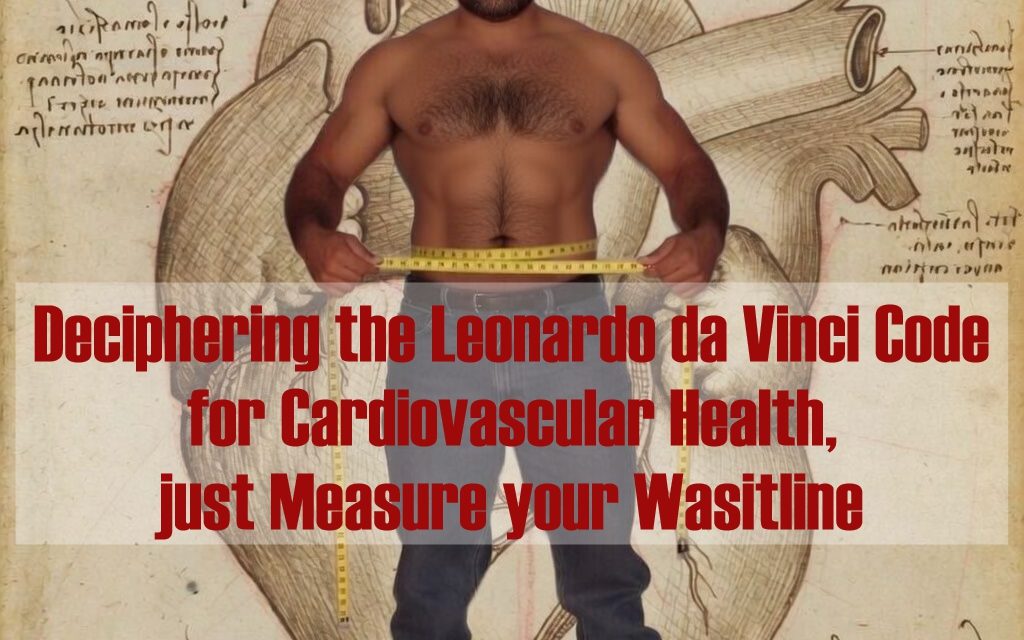
Heart Health Breakthrough by Leonardo da Vinci’s 500-Year-Old Mystery and Practical Steps to Reduce Trabecular Risk in Heart Disease
Leonardo da Vinci drew the human heart over 500-Years ago to uncover intricate muscular structures showing issues to heart risk known as trabeculae. These abnormal ridges can inhibit the normal function of the heart that can lead to cardiovascular disease in adults. But the prevention is just as ancient with our diet, fitness, and lifestyle.
An article in Popular Mechanics April 18, 2026, Issue entitled: 500 Years Later, Scientists Solve Leonardo da Vinci’s Human Heart Mystery
I came across an article in Popular Mechanics, written by their journalist, Caroline Delbert, who wrote a fascinating article that bridged Renaissance art and modern cardiology that is just now being recognized as significant. This article highlighted how researchers are taking a closer look at Leonardo da Vinci drawing of the human heart. Da Vinci’s drawing shows intricate muscular structures inside the human heart known as trabeculae. This was first sketched by Leonardo da Vinci half a millennium ago to show abnormal ridges that inhibit the normal function of the heart.
This Popular Mechanics article was intriguing to me based on how nutrition, fitness, and lifestyle can prevent these abnormal ridges that inhibit the normal function of the heart. I decided to post a summary of this article by Caroline Delbert on my BAJA Fitness and Sports Page. Cardio health resonates with me because heart disease remains a leading cause of death among both men and women that we need to understand trabeculae carneae impact and stressing the importance of our diet, exercise, and lifestyle changes that Secretary of Health and Human Services in his MAHA movement that mothers are even interested in for their kids.
So, what are Trabeculae carneae and What Impact this Condition
The trabeculae carneae are irregular, muscular vertical ridges found on the inner surfaces of the ventricles of the heart. These structures interfere with the mechanical and electrical function of the ventricles that prevent suction that might impair efficient pumping of blood through the body.
Trabeculae carneae are prominent features of the right and left ventricles of the heart and are especially pronounced in the right ventricle. They are distinct from other specialized muscle structures like the papillary muscles.
Leonardo da Vinci used his artist background to draw dissections of the human hearts detailing the inner architecture like with all his work with remarkable precision. He drew a fine, lacy, snowflake-like texture on the interior of the muscle lining the ventricles. These irregular textures of the interior lining cause friction that causes the heart to work harder, interfering with the natural circulation of blood through the body.
The medical profession used to viewed these trabeculae carneae as a normal part of aging. This Popular Mechanics article undercover a paradigm shift in research that trabeculae carneae are a normal function of aging. Like the motivation of the MAHA movement, trabeculae carneae irregularities in the inner wall of the heart that affects the efficiency of the heart is tied to unhealthy diet, lack of exercise, and sedentary lifestyle leading to this cardiovascular disease in adults.
Like in almost all cases, age related diseases are related to poor diet, lack of exercise, and following a healthy lifestyle that leads to risk factors. We know that obesity rates, diabetes, cholesterol, and hypertension all have a direct impact on our cardiovascular health. You only have to attend your annual physical to hear your doctor point out what we are doing right or wrong.
I started our website: AGE DEFYING LIFESTYLE in May of 2025 where I post my articles, BAJA Fitness & Sport Page, on health and fitness. A simple healthy diet, regular fitness, and maintaining an active lifestyle cannot only transform your health, as denoted in this Popular Mechanics article by Caroline Delbert, but also can be age-defying not just dropping weight and inches off, but years off as well! An active lifestyle can include sports, hobbies, and reading that includes writing. One of my hobbies is welding:

You heard the statement by medical professionals- That what is good for the heart is also good for the body and mind. This article on trabecular morphology carries broader implications for our general health and fitness. Like with strength training, the effect on muscles when working produces a natural growth hormone that contains GLP-1 and collagen to repair, replace, and rejuvenate the body’s cell on a molecular level that also includes the skin. This means healthier and younger looking skin.

In the image above, I am 68, soon to be 69 years old. A major part of my 3-2-2 Workout schedule is strength training that provides a better anti-aging impact on your skin than any cream or ointment can provide. My CAST (Cardio-Aerobic- Strength Training) Program is not only a great cardiovascular workout, but it also rejuvenates the skin and abdominal area. These are two areas that reflect our health and well being. Matter of fact, our waistline has a direct impact on our cardiovascular health as I will explain below.
3-2-2 Workout– Monday through Wednesday CAST Workout- Thursday Rest Day- Friday and Saturday CAST Workout- Sunday Rest Day
So, why should this matter to my heart health?
Vertical trabeculae alignment helps optimize blood movement within the ventricles, reducing energy loss due to friction during regular contraction and relaxation. When their structure becomes overly complex or irregularly shaped is when there is a possible cardiovascular issue. This irregular shape can be influenced by genetics; but manipulated by lifestyle factors. These irregular shapes can cause the heart to work harder, contributing to strain over time, especially when under stress, physical or emotional.
A great example of this is if you ever pour salt through a smooth funnel compared to pouring rock salt through a smooth funnel you detect the difficulty of the rock salt moving through the funnel. The reason I use rock salt reference is that this represents the irregularity of the heart walls that can lead to myocardial infarction (heart attack) or stroke.
The good news?
There is an intervention that we all can take with a simple healthy diet, exercise, and lifestyle that are major topics in my BAJA Fitness & Sports articles that I write weekly. These interventions can significantly lower overall cardiovascular risk, support healthy cardiac remodeling, and potentially influence factors tied to trabecular function and heart performance. Also a healthy diet, exercise, and healthy lifestyle also impact your waistline, a major impact on our heart health.
I included the essence of my articles in my book: BAJA Fitness & MAC Diet Program.
Healthy Intervention We Can Take:
1. Adopt a Heart-Protective Anti-Inflammatory Diet
Chronic inflammation and metabolic stress can exacerbate cardiac strain, indirectly affecting how the heart’s muscular architecture performs. Prioritize the Mediterranean-type or DASH-style diets that the (MAC- Macronutrient) Diet is based on by consuming rich in fruits, vegetables, whole grains, fatty fish, nuts, seeds, olive oil, and legumes. These provide omega-3 fatty acids, antioxidants, fiber, and polyphenols that combat oxidative stress and support vascular health.
MAC– Macronutrient Diet- Consist of high protein, fiber, Omega 3 & 6 fatty acid, complex carbohydrates, and fructose (natural sugar). This can be done by reading nutrition labels and keeping a MAC Score at or below a factor of 3.50 just by using 9- Data Points.

Limit processed foods, added sugars, refined (simple) carbohydrates, saturated fats, and trans fats—these promote obesity, hypertension, and dyslipidemia, all of which burden the heart.
I used my chemical engineering background to develop a method to help me decipher the standard nutrition label to help keep my menu items at or below a MAC Score of 3.50. Food items below MAC Score of 3.50 is a diet that eliminates added sugars, simple carbs, saturated and trans fats. The one thing that isn’t listed on the nutrition label is the worst part of an unhealthy diet, simple carbs, what I call the hidden sugars, these hidden sugars are a source of your weight gain and cardiovascular disease. These hidden sugars are worse than refined sugar. This was mentioned in the SUGAR BUSTER DIET Book.
The MAC diet helps to maintain my healthy blood pressure (<120/80 mm Hg), cholesterol levels, and blood sugar. Studies show such patterns can reduce cardiovascular event risk by 30% or more. For trabecular-related insights, maintaining stable hemodynamics through balanced nutrition may help the heart operate efficiently without compensatory remodeling that could amplify genetic predispositions.
2. Commit to Regular, Varied Physical Activity
Exercise is one of the most powerful tools for heart health and resilience. The American Heart Association recommends at least 150 minutes of moderate-intensity aerobic activity or 75 minutes of vigorous activity per week, plus muscle-strengthening exercises twice weekly. Activities like brisk walking, cycling, swimming, or jogging, and especially strength training. Remember your heart is a muscle like any muscle in your body. These fitness activities improve cardiac output, enhance endothelial function, and promote favorable remodeling.
For those tracking fitness metrics on pages like BAJA Sports, incorporate interval training and resistance work. Cardio-Aerobic exercises strengthen the heart muscle overall, potentially supporting more efficient blood dynamics that lessen strain on trabecular networks. Strength training helps control weight and improves metabolic health, reducing risks like diabetes that compound heart issues.
My interval BAJA Fitness training is based on 3-2-2 Intervals where Sunday through Tuesday are my training days. Wednesday is my first rest day. Thursday and Friday are my two remaining training days before I take another rest day on Saturday.

DO NOT neglect Flexibility and balance work with yoga or tai chi. This part of my training lowers stress hormones that lowers blood pressure. Consistency matters more than intensity at first—start where you are and build gradually like one day on and one day off until you can build up your stamina. Research links regular activity to lower heart disease risk by helping maintain ideal body weight, blood pressure, and cholesterol while improving insulin sensitivity.

3. Achieve and Maintain a Healthy Waistline rather than Body Weight
I prefer to measure my waistline as opposed to weigh-ins; because strength training can add muscle weight while reducing body fat content.
A healthy waistline is simple to calculate– Take your height in inches or centimeters and simply divide by 2. For example: I am 65 inches tall- my healthy waistline would then be 64/2 = 32- inches. My actual waistline is 29.50 inches. The reason I have a lower waistline is that I pose for our promotional for our hangar like our Southern Classic Car & Airshow.
Excess body fat, especially visceral fat around the abdomen, drives inflammation and forces the heart to pump against higher resistance. Even modest weight loss (5–10% of body weight) through combined diet and exercise can dramatically improve cardiac parameters. Calculate your BMI and waist circumference as simple trackers; aim for a BMI in the 18.5–24.9 range for most adults.
In the context of trabeculae, healthier weight reduces hemodynamic stress, allowing the heart’s intricate inner structures to function without overload. Combine calorie awareness with nutrient density—focus on portion control and mindful eating rather than restrictive fad diets.4. Quit Smoking and Avoid Tobacco Products.
Tobacco is a direct cardiac toxin that damages blood vessels, raises blood pressure, and promotes clotting. Quitting yields rapid benefits: heart disease risk drops significantly within a year. If you use any nicotine products, seek support through counseling, patches, or apps—resources abound for sustainable cessation.5. Manage Stress, Prioritize Sleep, and Monitor Key Metrics.
Chronic stress elevates cortisol and blood pressure, straining the entire cardiovascular system. Incorporate daily practices like meditation, deep breathing, or time in nature. Aim for 7–9 hours of quality sleep nightly; poor sleep disrupts metabolic and inflammatory pathways linked to heart risk.
In Conclusion
Up to 80% of heart disease risk lies in modifiable factors like diet, active lifestyle, weight control, and not using any form of tobacco. Combining these creates synergistic benefits: better blood flow, reduced inflammation, optimized weight, and stronger cardiac efficiency, which support the heart’s complex architecture performing at its best.
For fitness enthusiasts, view heart health as foundational training. Strong trabecular understanding doesn’t change daily workouts but reinforces why consistency is the pay off. A nutrient-rich plate, consistent movement, restful nights, and tobacco-free living form a robust defense. Consult healthcare providers before major changes, especially with existing conditions.
Leonardo da Vinci sketched what he observed with modern science now explains the significance of heart health. The Popular Mechanics report reminds us that prevention is proactive. Start today with one small shift—a walk after dinner, more vegetables on your plate, or a commitment to better sleep—and build from there. Your heart’s intricate snowflake-like layers, and the life they sustain, will thank you.

Regular check-ups to monitor blood pressure, cholesterol, blood glucose, and perhaps advanced imaging if you have family history or symptoms remain essential. Genetic factors influencing trabecula highlight the value of personalized prevention—know your family history and discuss it with a physician.
As another lifestyle change is reading and writing. I have three books on Amazon Kindle below that are great reads that I wrote: